 By Chat-Chai "Paxton" McLoughlin17 March 20223 min read
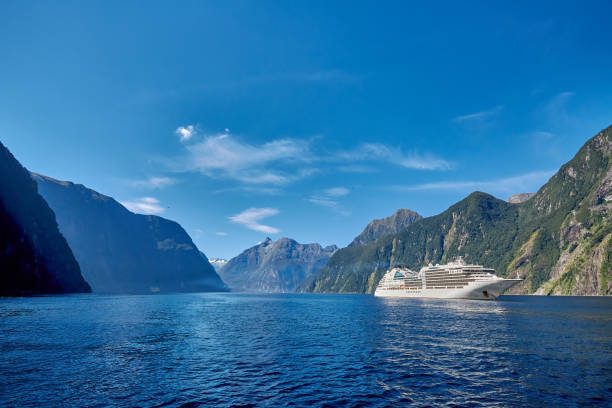
Within the shipping and environmental industries, “biofouling” is a term that is used to specifically refer to problematic species that attach to or grow on ships and oceanic infrastructure, leading to unwanted invasive species into delicate marine environments.
When seen from the marine operator’s standpoint, biofouling, or “marine growth” causes negative impact to the daily operation of a vessel, such as increased drag and fuel consumption as well as blocking vessel intakes and outlets, which may prohibit the flow of essential cooling water for important machinery inside the vessel.
From an environmental standpoint, biofouling continues to be a problem since organisms that may thrive in their natural ecosystem can potentially wreak havoc when introduced to others.
As modern maritime trade increasingly demands commercial ships to deliver humans and goods all over the globe, the threat of invasive species – which attach themselves to these ships – is at an all-time high.
Some worldwide organizations, such as the IMO – International Maritime Organization have long since published guidance and procedures on how best to control the transfer of invasive aquatic species. However, the local governmental legislation, such as New Zealand’s Ministry for Primary Industries and Australia’s Department of Agriculture, gives practical guidance to underwater contractors for the proper identification and removal of biofouling to help protect their nation’s biosecurity.
Diving contractors, such as Thai Subsea Services, based out of Thailand, play an important role in helping to reduce the global spread of these unwanted pests by following these guidelines while carrying out their underwater vessel cleaning operations.
Introducing pests and diseases threatens the plants and animals of local waterways by damaging the natural balance of aquatic ecosystems. Therefore, the main aim of aquatic biosecurity is to protect the economy, human health, and the environment from waterborne pests and diseases.
Derived from different varieties, biofouling can be separated into two categories: Soft Growth and Hard Growth.
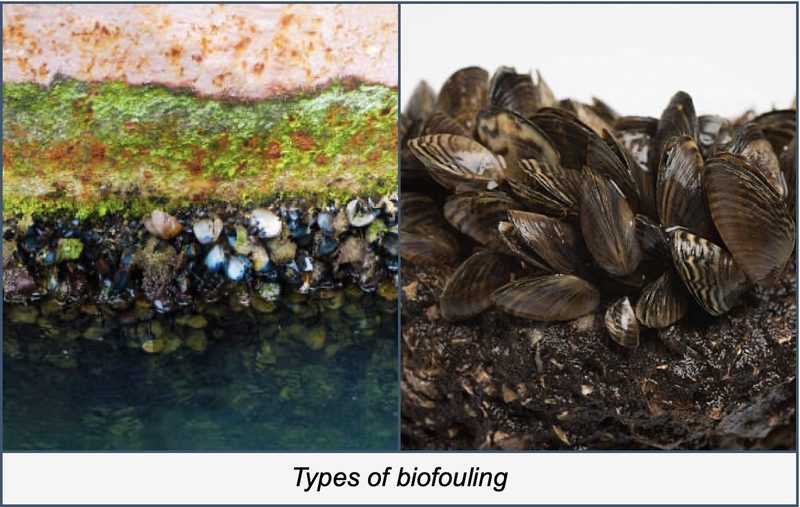
While soft growth is best physically described as having the same density of water, as the name suggests, they are soft to the touch. Conversely, hard growth is denser than water and hard to the touch, often consisting of dense calcium-shelled crustaceans.
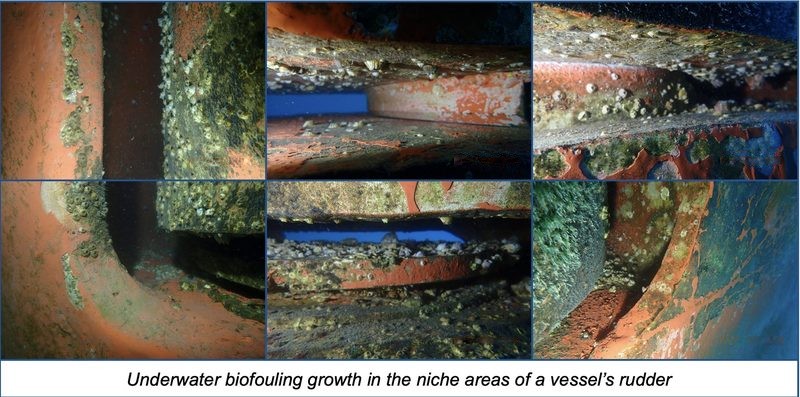
Common types of soft growth include Slime, algae, seagrass, sponges, and hydroids.
Common types of hard growth include Barnacles, mussels, oysters, and tube worms.
As many factors contribute to their formation, the genesis of these organisms may be hard to pinpoint, but, for any ocean-going vessel, the growth of biofouling is usually inevitable.
There are strategies available to help a vessel reduce the rate at which the adhesion of the biofouling occurs. These include coating the vessels in special ‘anti-fouling’ paint and installing Marine Growth Prevention Systems, which uses electrical currents within a ship’s steel hull plating to help deter adhesion.
However, these methods are by no means perfect, and though they may initially seem to win the battle over cleanliness, they will eventually lose the war due to the resilient nature of aquatic organisms. This is even more extracted once the vessel ages and its paint coating begins to flake and the electrical circuitry starts to fail.
To matters worse, the architectural arrangement of a commercial vessel consists of dozens of inlets, outlets, and recessed chambers (known as ‘niche areas’) that provide attractive breeding grounds for the formation of biofouling.
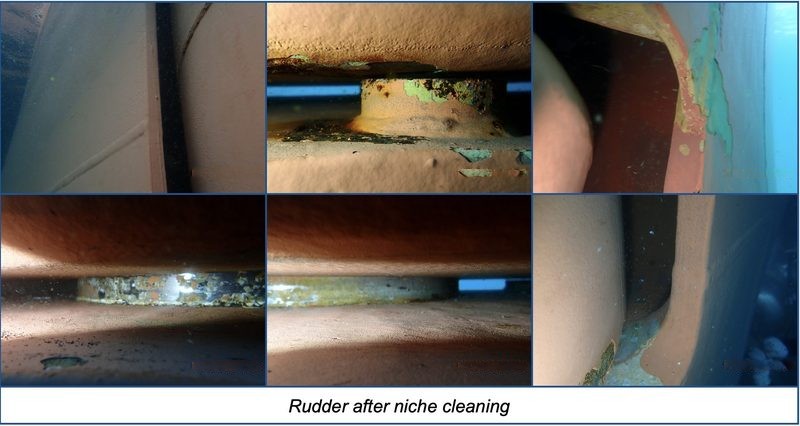
Whilst much of a vessel’s biofouling prevention falls on the owner and operator, the subsea workers often make sure the vessel is clean and ready to sail and enter foreign waters.
Contact Thai Subsea Servicesfor a professional assessment and thorough niche cleaning of your vessel!
 Underwater Welding The Art of Mixing Fire and Water
