
• Skip to main content
  • Skip to header right navigation
  • Skip to site footer

sales@thaisubsea.com  ·  +66 99 345 9494  ·  +66 82 792 0401  ·  24/7

  • Facebook
  • LinkedIn
Thai Subsea Services (TSS) logo

Thai Subsea Services

Underwater Ship Services, Repairs & Maintenance Across Thailand

  • Home
  • Services
    • All Ship Services
    • Hull Cleaning
    • Biofouling & Niche Cleaning
    • Propeller Polishing
    • Inspections & UWILD
    • Repair, Welding & Cutting
    • General Diving Services
  • About
    • Our Company
    • Our Leadership
  • Testimonials
  • Blog
  • Contact Us
  • Get a Quote

Complete Overview of Biofouling Management

By Chat-Chai "Paxton" McLoughlin8 March 20212 min read
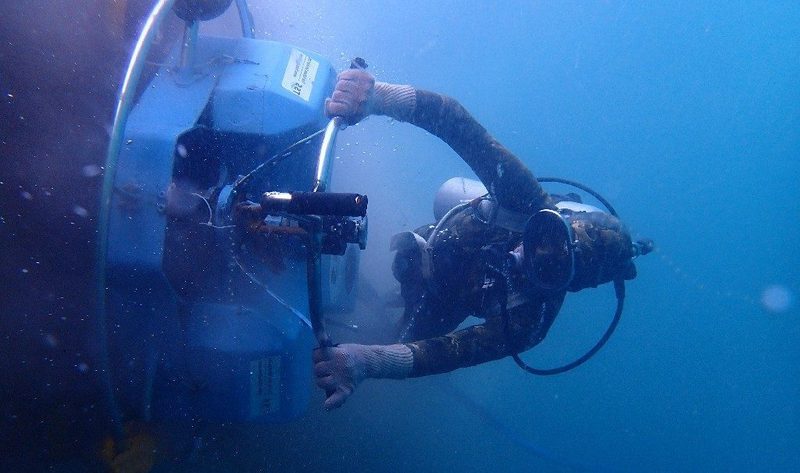
Thai Subsea Services Hull Cleaning Thailand

The accumulation of aquatic organisms, such as animals, plants, and micro-organisms on structures and surfaces exposed to or submerged in an aquatic environment—typically ships’ hulls and ballast water—is known as biofouling. Biofouling can pose a significant risk to aquatic environments when invasive aquatic and marine species are moved from one ecosystem to another. While the Ballast Water Management (BWM) Convention does not mandate biofouling management because it is out of its scope, it’s important to understand the contribution and impact of biofouling on the transfer of invasive aquatic species.

In this piece, we’re going to provide an overview of what steps are being taken and what guidelines are in place to control and manage biofouling. Take a look.

Understanding Biofouling Management

The International Maritime Organization’s (IMO) Biofouling Guidelines are an effort to provide a globally consistent approach to biofouling management. Biofouling has been identified as a substantial threat to the conservation of biodiversity in the world’s oceans. A multitude of marine species may survive and establish a reproductive environment in the host environment, competing against native species.

Expanded trade and traffic volume have intensified the problem of transferring invasive marine species. Quantitative data indicates that the rate of bio-invasions is only increasing, with new areas being invaded continuously. Bio-invasions are now recognized as one of the major threats to both the ecological and the economic wellbeing of the Earth.

Biofouling: A Vector for the Transfer of Invasive Species by Ships

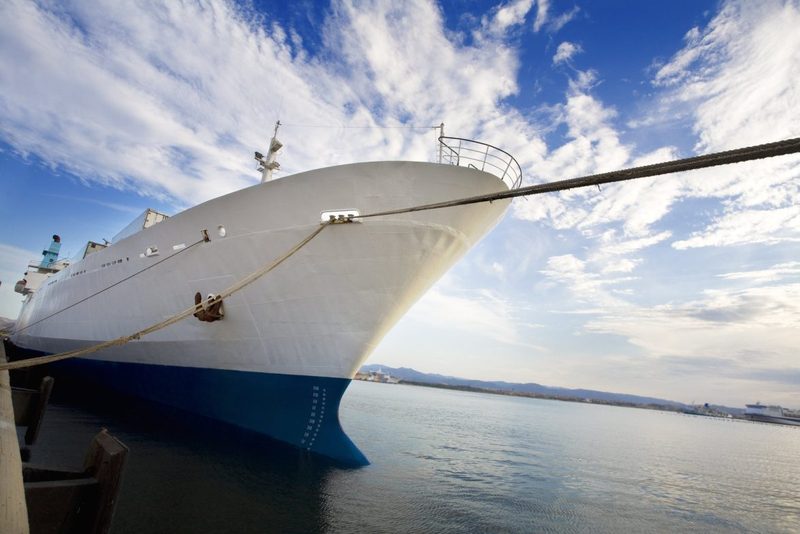
New environments are introduced to invasive species by ships primarily via hull fouling or ballast water. According to research, biofouling can be a major vector for the transfer of invasive marine species.
International Regulatory Framework

In order to prevent transferring invasive aquatic species and coordinate effective and timely responses to bio-invasions, governments, international treaty organizations, non-governmental organizations, and economic sectors must cooperate and collaborate. The global framework for this comes from the UN Convention on the Law of the Sea (UNCLOS).

What Influences Ship Biofouling

Here are the factors that influence ship biofouling:

  • The design and construction of the ship
  • Its operating profiles, such as where it’s located when not in use, whether it’s at anchor or moored, operating speeds, etc
  • Locations visited
  • Trading routes traversed
  • Maintenance history

We are a leading underwater hull cleaning and biofouling removal services provider in Thailand. We also offer ship maintenance services, such as ship and boat hull cleanings, subsea welding, and propeller polishing.

Get in touch with our team for more information.

Thai Subsea Services

Need a biofouling assessment?

Biofouling assessments and niche cleaning with full photo and video reporting for your Biofouling Management Plan. Available 24/7/365.

Request a QuoteBiofouling & Niche Cleaning
Chat-Chai "Paxton" McLoughlin

Written by

Chat-Chai "Paxton" McLoughlinManaging Director, Thai Subsea Services

Managing Director of Thai Subsea Services with more than 15 years in the commercial diving industry, most of them focused on ship husbandry. Paxton has delivered countless inspections, repairs and solutions, and is fluent in English and Thai.

Our leadership · LinkedIn

Thai Subsea Services logo

About Thai Subsea Services

Underwater ship husbandry, class-approved in-water surveys, repairs and commercial diving from our base beside Laem Chabang Port. IACS audited and approved.

About us · Our services · More articles

Related articles

BIOFOULING AND BIOSECURITY – Controlling the underwater threat to our ecosystems and economy17 Mar 2022Biofouling: Complying with the Guidelines1 Apr 2021Magnetic Particle Inspection – The Go-To Method for Finding Hidden Cracks in Metal20 Mar 2026
Category: Blog
Next Post:Hull Cleaning 101: What You Need to Know

Need Divers on Site Fast?

24/7 response anywhere in Thailand. Free, no-obligation quotes, with fleet pricing available.

Get a Quote Call +66 99 345 9494

IACS audited & approved by leading class societies

ABS (American Bureau of Shipping)Bureau VeritasDNVLloyd's Register approved service supplierClassNKKorean RegisterRINA
Thai Subsea Services (TSS) logo

Safe, reliable and cost-effective underwater services for ship owners, managers and offshore operators since 2020.

Available 24 / 7 / 365

Member of & listed on

Member of Agents One quality agency networkThai Subsea Services listed on InfomarineThai Subsea Services supplier profile on ShipServThai Subsea Services listed on FindDivers

Ship Services

  • Hull Cleaning
  • Biofouling & Niche Cleaning
  • Propeller Polishing
  • Inspections & UWILD
  • Repair, Welding & Cutting
  • General Diving Services

Company

  • About Us
  • Our Leadership
  • Client Testimonials
  • News & Blog
  • Contact Us

Get in Touch

  • sales@thaisubsea.com
  • +66 99 345 9494
  • +66 82 792 0401
  • Office +66 33 133 889
  • 29/148 Moo 4, Nong Pla Lai, Bang Lamung, Chonburi 20150, Thailand

© 2026 Thai Subsea Services Ltd. All rights reserved. · Cookie Policy