 By Colin Connor29 May 20255 min read
The global commercial shipping industry is the lifeblood of international trade, transporting over 80% of goods traded globally. But as this industry grows, so do the challenges it faces — and one of the most overlooked yet increasingly dangerous threats is marine debris.
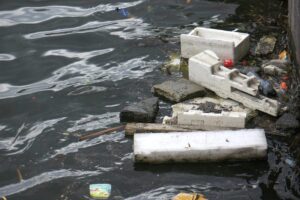
When we think of marine debris, things like plastic bottles and general discarded trash may come to mind – all of which are usually caused by negligent waste management practices.
However, debris in the form of ice, logs, shipping containers, fishing nets, broken buoys, etc. is usually not due to an intentional action, but rather by forces of nature or disastrous accidents. Whichever the case may be, all debris in our oceans poses serious risks to ships, crews, and the environment.
Here’s why debris is a major concern for commercial shipping — and why it deserves more attention.
Damage to Vessels
Floating debris can cause significant physical damage to commercial vessels, especially when traveling at high speeds or navigating narrow or congested waterways. For example:
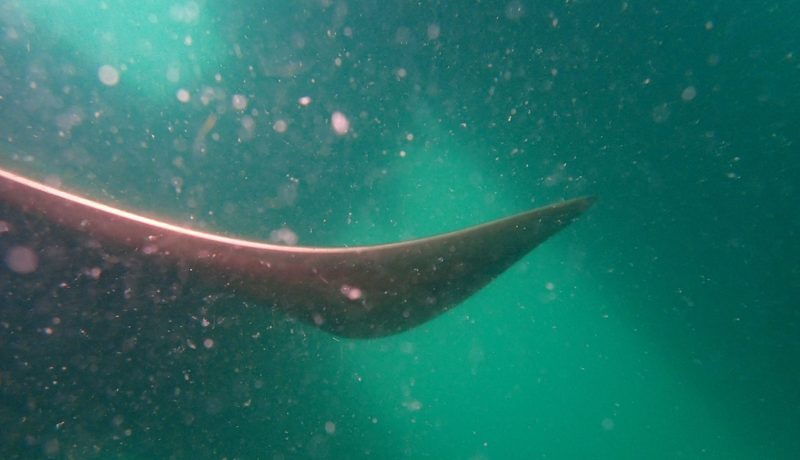
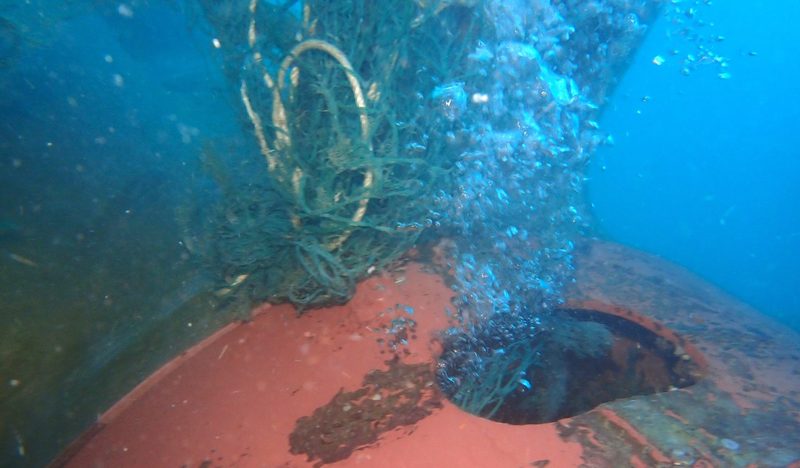
- Mechanical damages and entanglement: Ropes, nets, and plastic bags can get entangled in turning and steering gears, reducing maneuverability or potentially disabling the ship. Collisions with large debris, such as partially submerged logs and ice or abandoned containers, can dent propellers or puncture hulls — a serious safety hazard.
- Engine failures: Ingesting debris through seawater intake systems can clog filters, overheating engines, or damage internal systems.
These incidents can lead to expensive repairs, voyage delays, and — in worst-case scenarios — total vessel failure.
Navigation Hazards
Debris poses navigational challenges, particularly in busy ports, coastal areas, or straits.
With thousands of merchant ships navigating global waters, even a single piece of large debris can cause disruptions:
- False radar targets: Floating containers or debris masses can appear as ships or obstacles on radar, confusing navigation systems and increasing the risk of collision.
- Blocked routes: Accumulations of debris can make certain routes unnavigable, forcing ships to reroute and use more fuel.
- Delayed port entry: Debris near ports can slow down operations, especially during docking or loading/unloading procedures.
Economic Costs
The consequences of debris-related incidents aren’t just physical — they hit companies’ bottom lines:
- Maintenance and repair: Even minor damage from debris means unplanned dry-docking or equipment replacement.
- Downtime: Time lost due to detours, repairs, or slower speeds directly affects schedules and delivery deadlines.
- Increased insurance premiums: A vessel known to be operating in high-risk waters may face higher premiums due to potential damage from debris.
Combined, these costs can run into the millions — especially for large shipping companies operating globally.
Crew Safety and Working Conditions
Debris isn’t just a threat to ships — it endangers lives. Crew members may have to perform hazardous repairs at sea, or operate in unsafe conditions if engines or navigation systems are compromised.
Sudden stops or erratic steering to avoid debris can lead to onboard injuries, especially in rough seas. The psychological stress of working in unpredictable and dangerous environments can also impact crew morale and performance.
Environmental and Reputational Impact
A ship damaged by debris may accidentally spill fuel or cargo, compounding the environmental impact. When such events occur, shipping companies not only face regulatory fines, but also reputational damage — which can hurt business and stakeholder trust.
Moreover, some vessels may unintentionally contribute to the problem by losing cargo or discarding waste at sea, creating a negative feedback loop that harms the industry as a whole.
What Can Be Done?
Addressing the debris issue requires coordinated global efforts:
- Stricter waste management policies at sea and in ports. Operate within full compliance with international protocols, eg. MARPOL.
- Making changes for an environmentally friendly culture this starts at a local level, embracing positive changes through education, training and, disciplinary actions.
- Investment in ocean-cleaning technologies and debris monitoring systems.
- Better ship design and practices to prevent accidental cargo loss. Ensure cargo containers are correctly lashed using industry-standard equipment and procedures.
- Frequent inspections and maintenance by conducting underwater inspections for identifying and correcting potential hazards caused by debris.
- Collaboration with governments and NGOs to protect trade routes and marine ecosystems.
- Carry out debris removal campaigns to clean-up seabeds, buoys and, piers at busy commercial harbours and shipping routes. Commercial divers can also locate and salvage sunken items and debris that fall overboard.
Marine Debris in Thailand
Zooming in on Thailand specifically, it can be estimated that ~80% of debris found in Thailand’s waterways is directly caused by urban run-off from cities and towns.
This may be significantly more around the tourist hotspots like Phuket, Koh Samui and, Pattaya.
As a local diving company, Thai Subsea Services has unfortunately witnessed its fair share of debris in Thailand’s oceans.
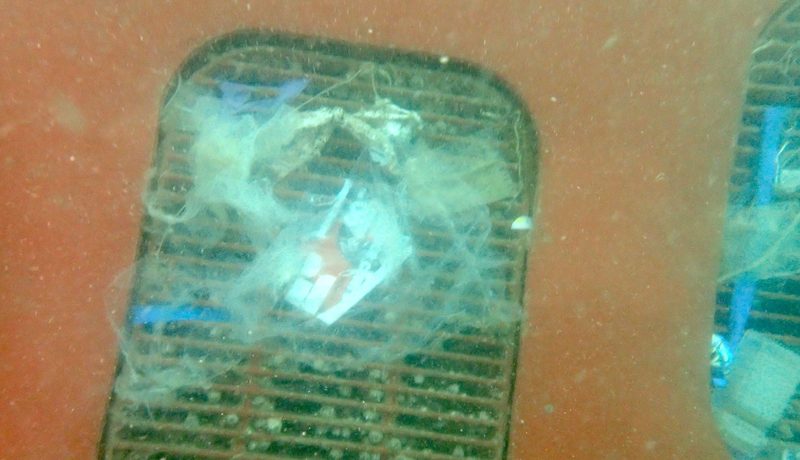
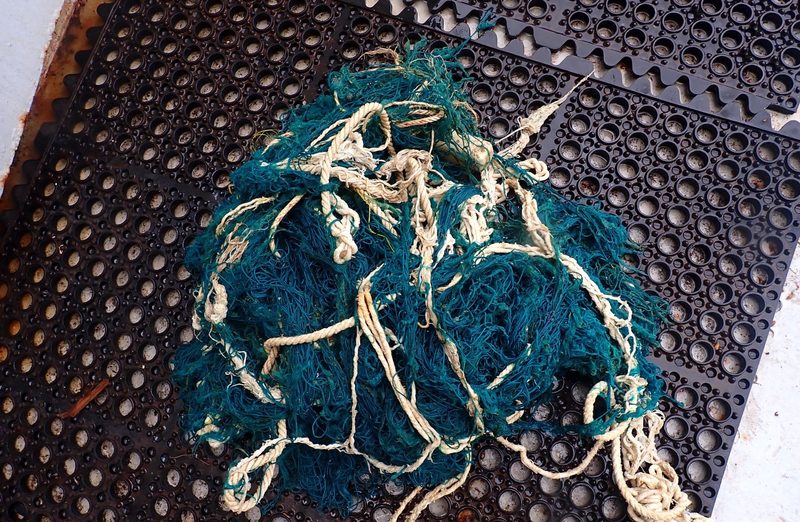
“When servicing commercial vessels throughout the country, there is rarely a vessel that has not been impacted debris one way or another,” said a company representative. “From fishing nets around shafts and thrusters, to plastic rubbish clogging sea chests, we see more and more debris almost daily.
These vessel don’t stand a chance, and some are in pretty rough shape or inoperational by the time we arrive.”
While local companies like Thai Subsea play their part in assisting with debris destruction, the Thai is government making positive efforts to mitigate the effects causing marine debris, including rolling out “Thailand’s Roadmap on Plastic Waste Management (2018–2030)”: Phasing out single-use plastics and Marine Debris Management Action Plan (2019): Focus on reducing debris from fisheries, tourism, and shipping.
Additionally, local NGOs and beach clean-up groups like Trash Hero, Green Fins, and Ocean Conservancy continue to do their part to help minimize the impact.
Impacted by Marine Debris?
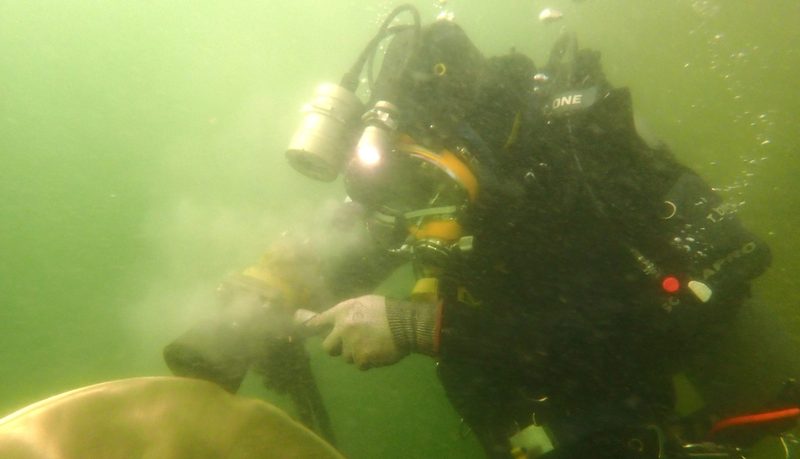
Should a suspected incident of marine debris occur to your vessel or asset, call Thai Subsea Services (TSS).
The Thailand-based commercial diving company services all anchorages and ports nationwide and has dive teams to dispatch 24/7. After frequent encounters with vessels falling victim to debris, they are an expert in this field.
Among routine operations, such as debris clearing of thrusters, rudders and, rope guards,
TSS can provide bespoke repair solutions for all types of damages caused by marine debris, including propeller blade repairs, hull insert plates and, more.
| Propeller Repairs | |
 Why Do Ships Break? Understanding the Factors Behind Ship Failures
