 By Colin Connor10 September 20255 min read
In an era where the shipping industry is under increasing pressure to reduce its environmental footprint, key technologies like Exhaust Gas Cleaning Systems (EGCS) —commonly known as “Scrubbers”—are making waves.
These systems enable commercial vessels to comply with stringent international regulations such as the International Maritime Organization’s 2020 Sulphur Cap Mandate, which set the global limit of 0.50% m/m and a lower limit of 0.10% in Emission Control Areas (ECAs). Meaning the adoption of EGCS allow vessels to continue using heavy or high-sulphur fuel oil for cost-effective operations, while staying compliant.
But what exactly are they, how do they work, and are they the silver bullet for cleaner international shipping?
As a leading commercial diving company, we understand the importance of proper maintenance and inspection of these systems to ensure safety and efficiency.
Let’s dive in.
What Are EGCS Systems?
Exhaust Gas Cleaning Systems are helpful devices installed on ships to remove Sulphur Oxides (SOx) from exhaust gases produced by engines or boilers. Think of them as the shipping industry’s friendly version of a car’s catalytic converter, only much larger to fit container ships, tankers, and bulk carriers.
Thanks to these systems, vessels can meet international sulphur emission limits without having to switch to low-sulphur fuels, which are much more expensive.
The adoption of EGCS has surged in recent years, with thousands of vessels now equipped with them. As of 2025, they’re a key tool in the industry’s toolkit for reducing air pollution caused by shipping, which accounts for about 3% of global CO2 emissions and significant SOx output.
How Do EGCS Work?
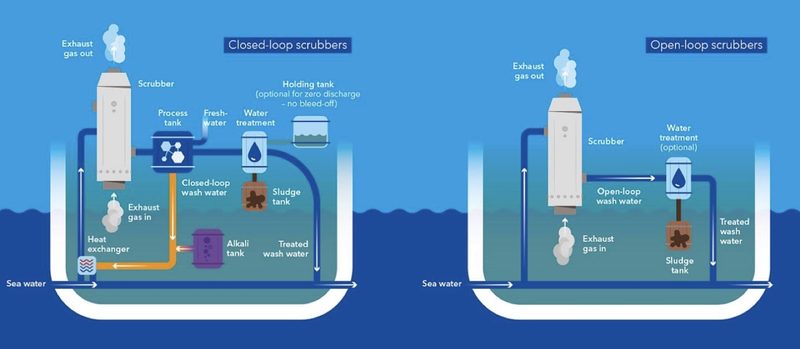
At their core, EGCS “scrub” exhaust gases by passing them through a cleaning process before release into the atmosphere. There are three main types:
- Open-Loop Systems: These use seawater as the scrubbing medium. The seawater absorbs SOx, turning acidic, and is then discharged back into the ocean after treatment. It’s simple and cost-effective, and the most common type, making up 80% of global installations.
- Closed-Loop Systems: Here, a freshwater or alkaline solution circulates in a loop to clean the gases. The used water is treated onboard, with minimal discharge. This makes them more environmentally friendly in sensitive areas but requires more onboard storage and chemicals like sodium hydroxide, which drive up the operating costs.
- Hybrid Systems: The best of both worlds, these can switch between open and closed modes depending on location and regulations. They’re increasingly popular for vessels operating in varied waters, from open oceans to restricted ports.
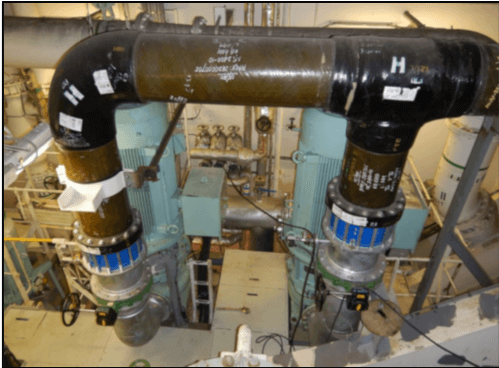
Installation of either type can be conducted during the initial ship build, or can be done by retrofitting the ship’s exhaust stack with scrubber towers, pumps, and monitoring equipment.
Benefits for Ship Owners and Operators
- Cost Savings: The EGCS manufacturing and installation process can cost millions of dollars per vessel, but pays off through fuel savings. By sticking with heavy, high sulphur fuel, operators can save hundreds of thousands in fuel costs annually per ship, making payback periods for scrubber installations around 1-3 years only – not a bad investment!
- Regulatory Compliance & Flexibility: They ensure vessels meet IMO’s sulphur limits without a full switch to expensive fuels, avoiding penalties and operational disruptions. Hybrid systems allow seamless operation in Emission Control Areas (ECAs) like the Baltic Sea or North American coasts, where even stricter 0.1% sulphur limits apply.
Controversies and Challenges
Not all is smooth sailing!
EGCS, especially open-loop ones, have sparked debate over their ocean impact. Critics argue that transferring pollution from air to water isn’t a true solution—discharged waters can harm marine life by acidifying local waters and, introducing toxins. Some territories, regions and ports have even already banned the use of open-loop systems, citing the potential risk to local ecosystems.
However, closed-loop systems also discharge pollution into the sea – although much less than an open-loop system – the system still needs to “bleed off” from time to time, and such bleed off is likely to contain heavy metals with high acidity. Additionally, the closed-loop systems require the use of industrial chemicals, which generate internal sludge and residues that must be collected, stored and, disposed of properly. This again just shifts the pollution problem from the air to somewhere else, while also making monitoring operating, logistics, and planning even more challenging.
Ironically, EGCS systems increase overall engine loads due to the additional power needed to run the various pumps, fans, and treatment units involved in the EGCS system, which in turn leads to higher fuel consumption and emissions.
Different styles of EGCS discharges
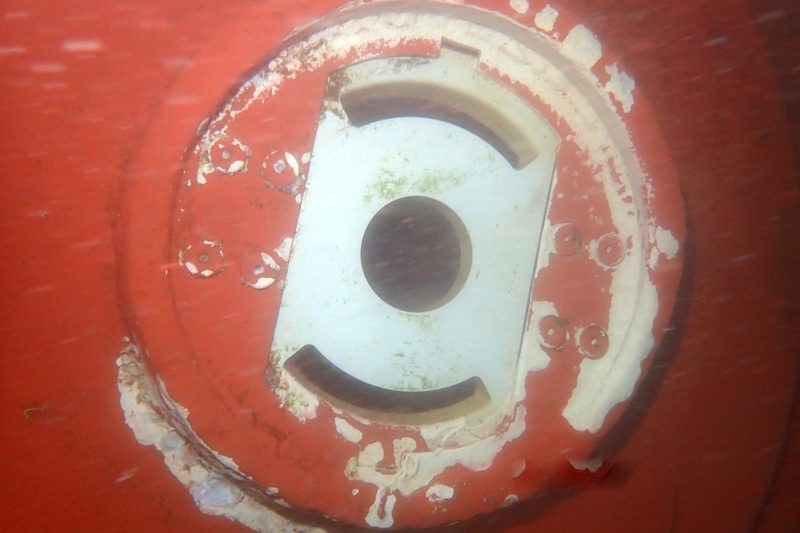
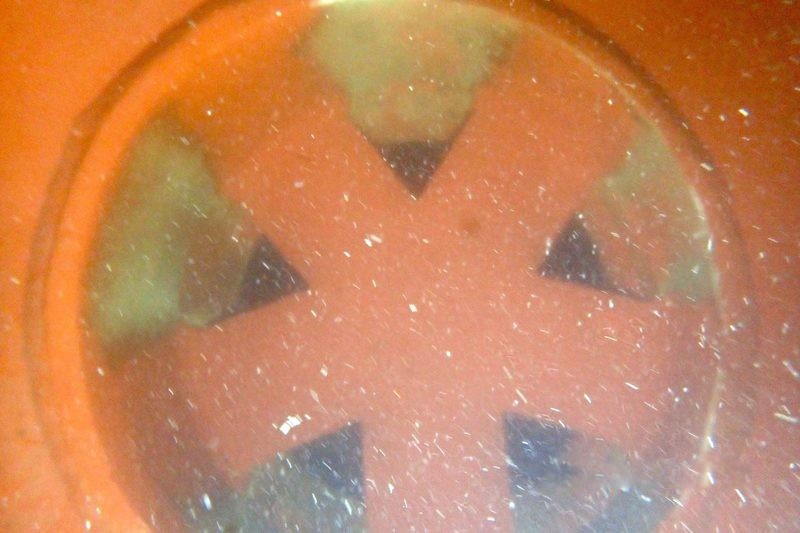
Maintenance is another hurdle!
Because the wash water discharged from the EGCS systems is high in sulphur and chlorides and especially acidic, all its internal components are highly susceptible to incurring material degradation, namely in the form of scaling and, corrosion and, fouling.
This means the systems require frequent inspections, constant monitoring and, regular maintenance, to prevent failures, which can lead to safety issues and non-compliance fines.
Maintenance may include changing sensors in the continuous monitoring system, replacing valves, pumps and, fans, general cleaning and, keeping the system compliant with the latest software updates.
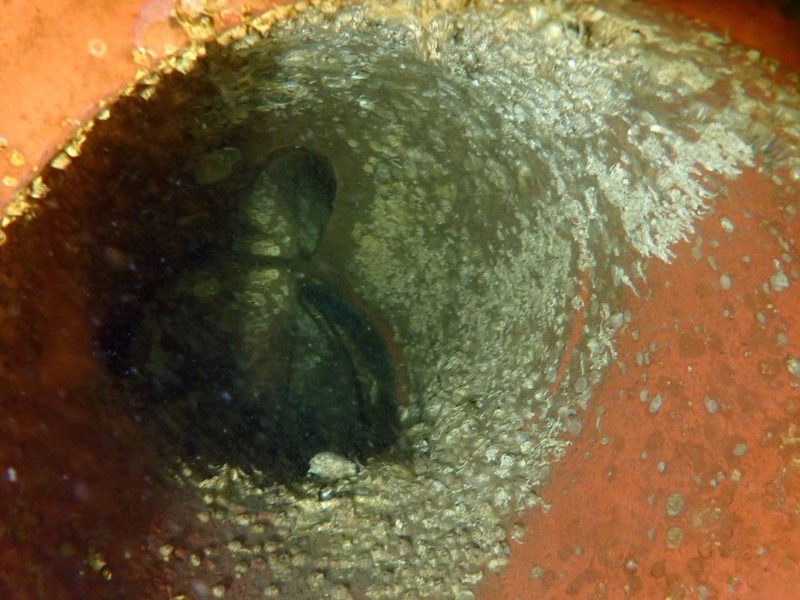
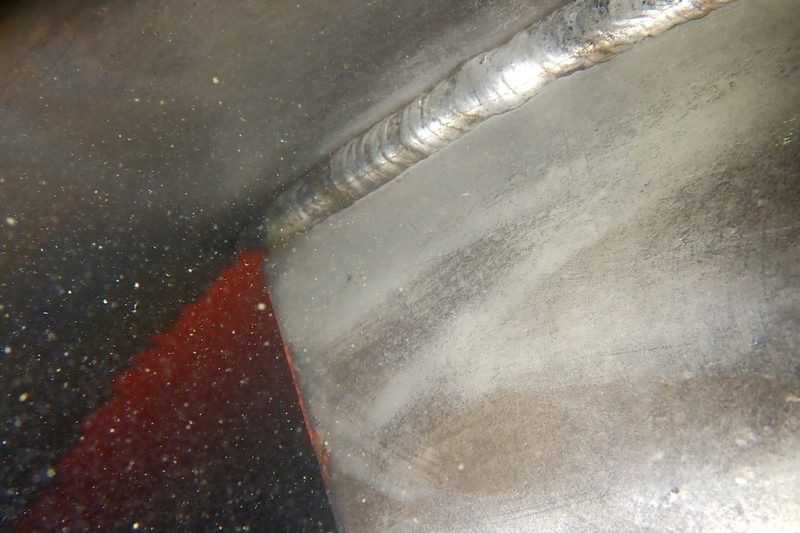
Different problems found during underwater inspections
Role of Commercial Divers with EGCS
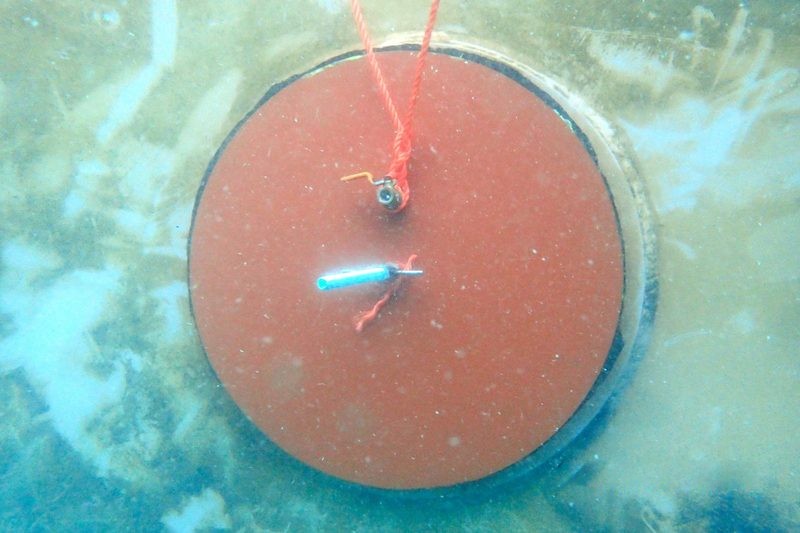
The most basic form of planned maintenance on EGCS systems is the underwater inspection. Since EGCS typically draws seawater from the sea chests intakes, it’s safe to say that a diver’s general underwater inspection on any vessel would adequately cover the EGCS subsea components, which consist of both intake (in the sea chests) and discharge(s). These inspections could help identify any gross damages or system blockages (marine growth or other debris).
A detailed/close examination of the EGCS could reveal any underlying issues with the weld seams, paint coating, and depending on the configuration, make an analysis of its internal condition. Divers can also carry out cleaning of the required areas or conduct underwater blanking/plugging to help facilitate internal operations.
Divers can also provide support for EGCS retrofit installations while vessels are afloat by carrying out underwater burning of hull penetrations, installing cofferdams and, performing underwater welding.
The Future of EGCS in Shipping
EGCS systems are pivotal in helping commercial vessels balance regulatory compliance, operational cost-efficiency, and environmental responsibility. Whether it’s an open-loop system for simplicity and cost, a closed-loop for environmental control, or a hybrid for adaptability, the right choice depends on vessel type, trade routes, and local regulations.
Looking ahead, EGCS will likely evolve alongside broader decarbonization efforts. The IMO’s push for net-zero emissions by 2050 means scrubbers might integrate with carbon capture technology or alternative fuels like LNG, etc.
Innovations in zero-discharge closed-loop systems could address water pollution concerns. As regulations tighten—think upcoming bans in sensitive areas like the Arctic—hybrid and advanced scrubbers will become standard.
However, the long-term shift might be toward truly green fuels, potentially rendering EGCS a transitional technology. For now, they’re bridging the gap, helping the industry sail toward sustainability. While not without flaws, they’ve cleaned up ship exhaust significantly. If you’re in the maritime sector, consider the trade-offs: short-term savings versus long-term eco-impact.
What do you think—scrubbers: Saviour or Stopgap?
 Why Debris Is a Serious Threat to Commercial Shipping
