 By Colin Connor10 October 20225 min read
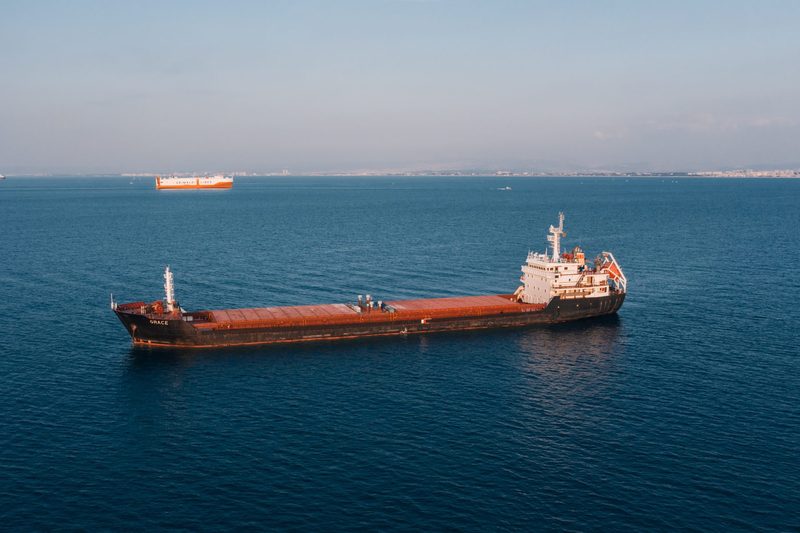
This article explains a brief overview of Commercial Cargo Ships that are commonly spotted floating and sailing the world’s seas.
Ships or vessels that carries heavy goods and materials from one port to another is called cargo ship. These are also known as freighters, and thousands of them swarm the seas off the earth at any given time because they handle the major bulk of international trade services.
Even today, shipping is considered the best mode of transportation and transfer of trade-goods and any business items. This is because it is very safe option for handling delicate materials and is relatively cheap compared to other methods, such as air freight.
Modern seagoing cargo or commercial vessels come in all shapes and sizes and are designed to carry a wide variety of cargoes.
For the purposes of this article, cargoes are divided into dry, liquid, and specialized, with each of these divided further into subcategories. Dry cargoes include bulk, general and breakbulk, containers, reefer and Ro-Ros. Liquid cargoes are usually oil-based but may also include chemicals and liquefied gasses. Specialized cargoes include passengers, livestock, and heavy-lift/project.
- Dry Cargo Ships
Historically, dry cargo vessels were the most common vessels in the world’s merchant fleet. They would be equipped with their own cargo-loading equipment, usually in the form of a derrick lifting device. Cargo ships are also known as freighters. These enormous merchant ships carry cargo, goods, and other materials from one nation or continent to another. Thousands of cargo ships ply the world’s oceans and seas annually.
- Bulk Carriers
For dry cargoes with a high weight-to-cost ratio such as coal, grain, ore, and economies of scale produced the modern bulk carrier. These vessels are divided into several separate holds covered by hatches. In port, cargo is loaded by conveyor and spouts, or by cranes and grabs. Some bulk carriers are geared (usually a crane is located between each hatch) to allow the loading and unloading of cargo at berths without the need for shore equipment.
- General Cargo or Multi Purpose Vessels
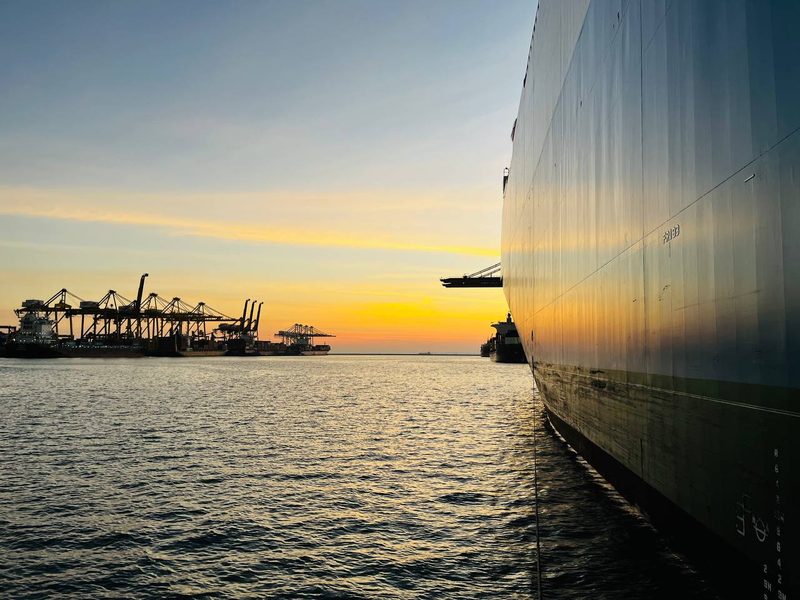
General cargo, known as breakbulk, flexible and efficient cargo handling systems enable a ship to carry a variety of different cargoes and load and unload them within the shortest time possible.
Although largely replaced by bulk and container carriers, general cargo vessels still operate throughout the world.
- Container Vessels
A container ship (also called boxship or spelled containership) is a type cargo vessel that carries all of its load in truck-size intermodal containers, in a technique called containerization. Container ships are a common means of commercial intermodal freight transport and now carry most seagoing non-bulk cargo. A container can be transferred between truck, train and ship relatively easily and is a standard size to simplify transportation. Containers can accommodate anything from foodstuffs to electrical equipment to automobiles. They are also used to transport bagged and palletized goods, as well as liquids and refrigerated cargo.
- Reefer Vessels
Ships designed to carry refrigerated cargo and perishable goods such as fruit, fish, or meat are known as “Reefer Vessels”. Cargo is stowed in holds which are then sealed and temperature controlled. Traditional reefer vessels have been largely replaced by the use of reefer containers which are carried aboard container vessels. Reefer containers need a power source to function and often require inspection during the voyage.
- Ro-Ro Vessels
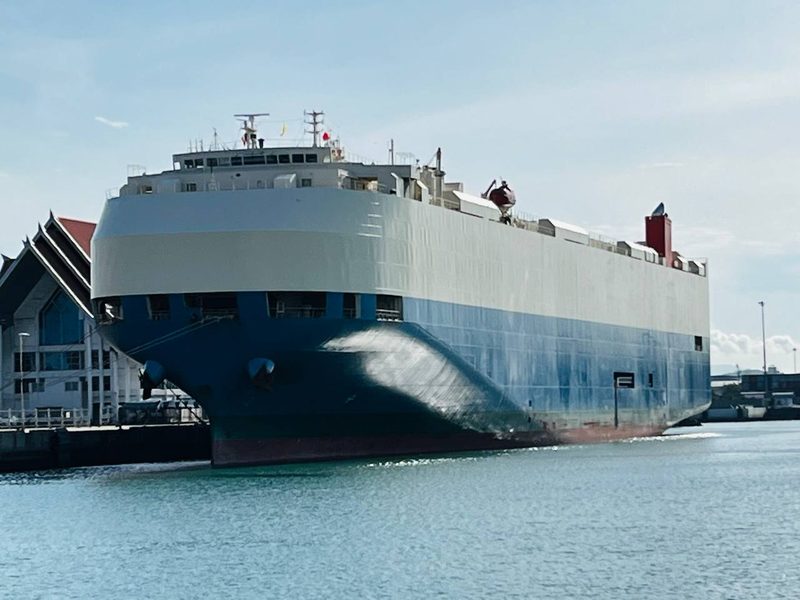
Roll on-Roll off or “Ro-Ro” vessels come in many forms. They include vehicle ferries and cargo ships carrying truck trailers. The car carrier is the most commonly-used Ro-Ro vessels. The first cargo ships specially fitted for the transport of large quantities of cars came into service in the early 1960s. These ships still had their own loading gear and so-called hanging decks inside.
What could’ve gone wrong to undermine these giants down?
All commercial ships are subject to unavoidable marine growth and corrosion, particularly those busy vessels that spend a considerable amount of time at sea, or anchorages.
In order to prevent marine growth, the transportation industry can utilize a diverse toolkit of intervention materials to target specific species. However, for an individual vessel, there are two options that are widely used depending on material availability and the environment: biocide treatment and mechanical removal. Both methods have been effective for years and are continuously working to mitigate marine growths on global shipping routes and harbors.
Methods for marine growth prevention
Without underwater hull maintenance, biofouling is a threat. Biofouling can increase fuel costs, create biosafety hazards, and ultimately add to the price of vessel ownership.
It is a serious problem for commercial ship owners. Now ships have been equipped with anti-fouling coatings, but the expense of those is not cheap.
Bottom Painting With Anti-Fouling Paint
Anti-fouling paint is a specialized category of coatings applied as the outer (outboard) layer to the hull of a ship or boat, to slow the growth of and facilitate detachment of subaquatic organisms that attach to the hull and can affect a vessel’s performance and durability. It falls into a category of commercially available underwater hull paints, also known as bottom paints.
However, antifouling paint can only be applied during the period of dry docking, which is when the vessel remains non-operational. Hence the ship owner loses revenue. As the freight rates of ships are increasing, the loss of revenue causes concern to the shipping industry.
Regular Bottom Cleaning Sessions
One of the greatest methods for ship maintenance for shipowners and managers and all related companies in the shipping industry is underwater cleaning. This can be done by professionals from an affiliated maritime diving company. Underwater ship maintenance sessions are necessary to ensure the smooth running of the ship. Bottom cleaning, or underwater hull cleaning, is vital for the successful operation of all commercial ships. In general, the bottom cleaning needs to be performed once every 3-6 months depending on the type of coating, service conditions, and location (latitude and weather).
Hiring the Right Commercial Diving Company
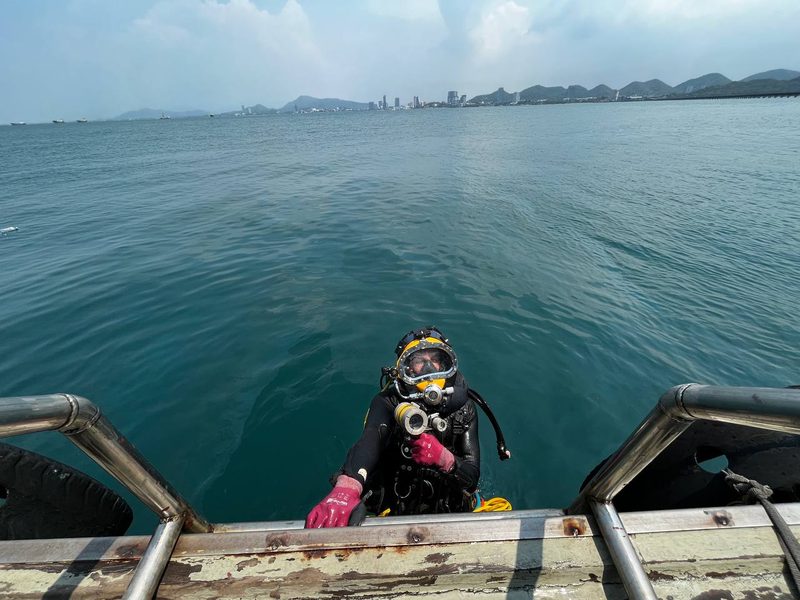
Due diligence is quite a big role in most of making decisions in life, however, when it comes to selecting a commercial diving company, it is critical to get your foot onto the worthy provider. You have to ensure that the company you’re contracting is responsible, capable, and risk-averse.
Some companies may lie about their qualifications for the sake of landing the job.
Hiring the finest commercial diving company for a project, the lowest bidder can never be your best option. It is also essential to ensure that the commercial diving company you hire has decades of experience, resources, and specialists in the services you require.
Thai Subsea Services is the first-tier and premier commercial diving services in Thailand with 30 years of experience that can deliver the best quality result for all underwater ship maintenance, plus they are the only company in Thailand that employs the famous Piccard Triple-Headed Brush Kart machine. Cooperatively, with our team’s strong diving background experience and techniques, we ensure the absoluteness of the operation and zero damage to your ship’s hull and anti-fouling system.
 In-Water Survey: Everything You Need To Know
